

In brief:
- Investing in designer clothes ensures longevity and high quality. They feature natural fabrics, sturdy craftsmanship, and retain their value over time. Supporting Bulgarian designers boosts the economy and creates a unique style.
Investing in designer clothes is a conscious choice for high-quality, well-made garments that retain their value for years and enhance personal style in a sustainable way. Unlike impulsive shopping for cheap items, this strategy builds a wardrobe with lasting value. An investment purchase is a garment that is easy to combine and remains relevant regardless of the season. Brands like Chanel, Armani, and leading Bulgarian designers work with natural wool, silk, and certified fabrics because these materials do not wear out quickly or pill. If you're looking for an answer to why invest in designer clothes, the answer is simple: buy less, wear longer, and look better.
Why Invest in Designer Clothes: Quality and Durability
Designer brands use certified natural fabrics and reinforced seams, giving them a much longer lifespan compared to mass-produced clothes. The difference isn't just in the logo. It's in the way every detail is cut.
Materials That Last
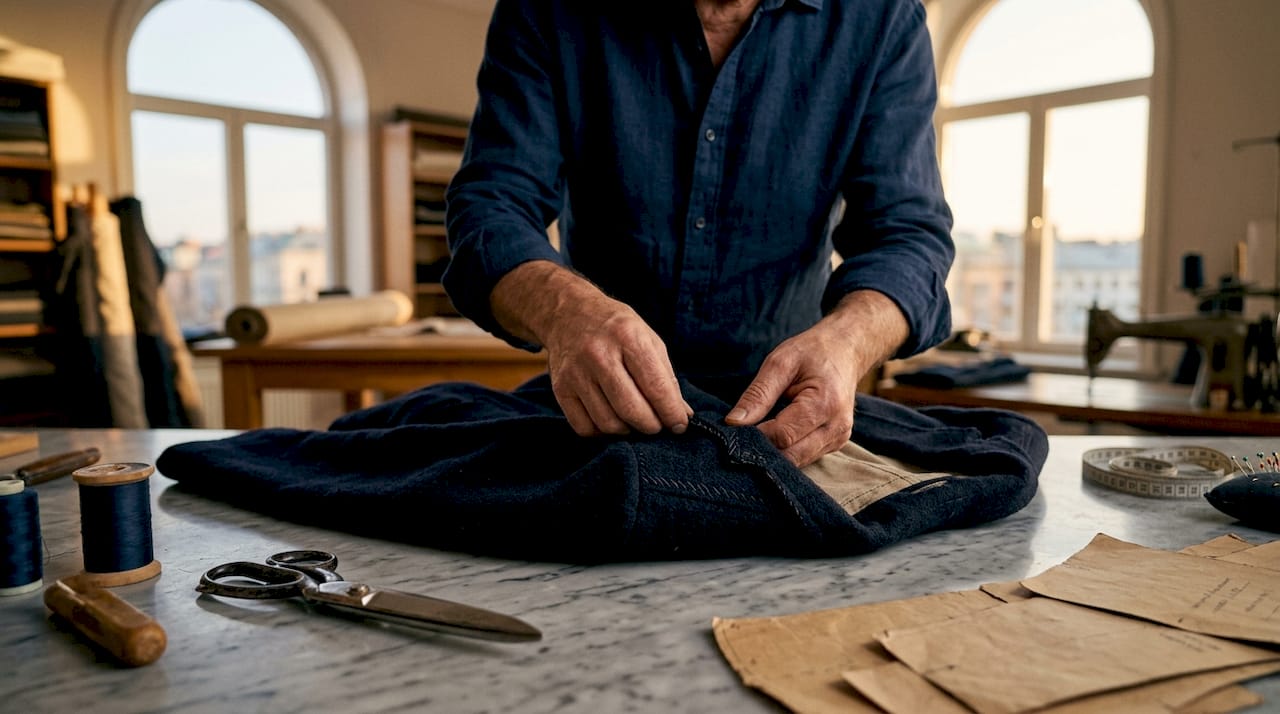
A true investment garment should have a classic cut, neutral design, and be made from natural fabrics. Merino wool regulates body temperature and self-cleans with airing. Silk retains its shape after dozens of washes if properly maintained. High-thread-count cotton, such as Egyptian cotton, does not shrink or lose color after repeated washing. These materials cost more to produce, which is why mass-market brands replace them with polyester and acrylic.
Workmanship and Construction
The seams of a designer garment are dense, straight, and reinforced at stress points, such as under the armpits and at the waist. The lining is precisely sewn, not glued. Buttons are made of natural materials like horn or coconut and do not break after a few uses. These details are not visible when worn but determine whether the garment will look new after three years or fall apart after three months.
Quality craftsmanship is best seen from the inside: seams should be strong and precisely fitted, and the lining should be well-applied. Turn the garment inside out in the store, and you'll immediately see the difference between an investment and a compromise.
How Long Does a Quality Garment Last?
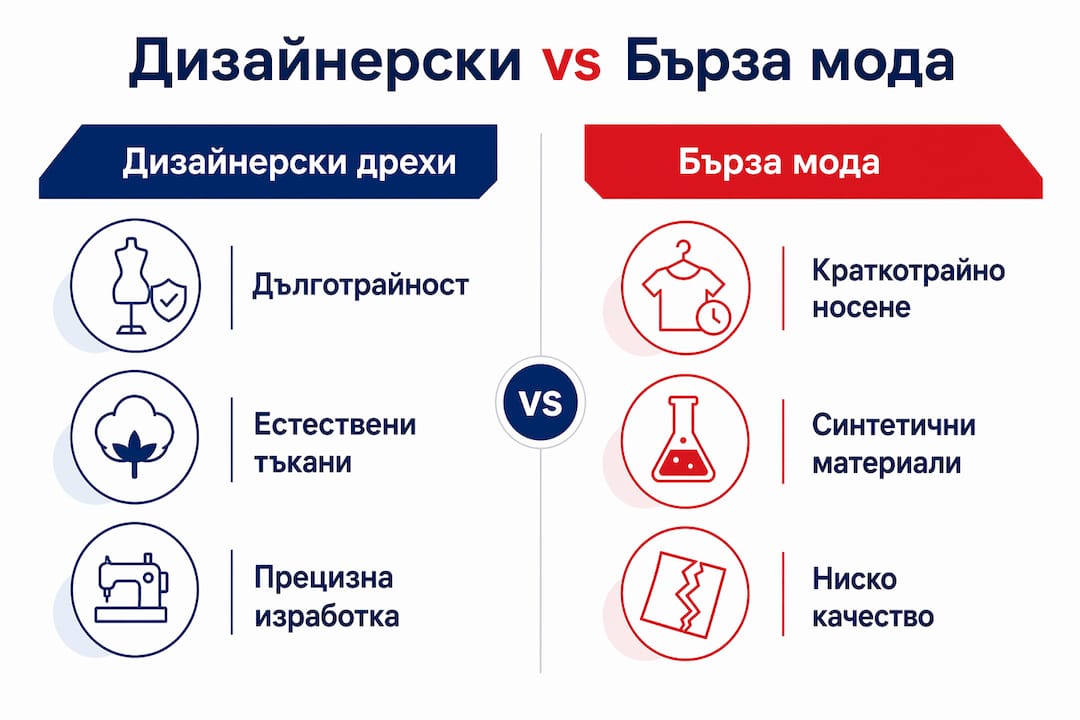
A quality coat can be worn for 7–10 years, significantly reducing clothing costs in the long run. If you pay 400 leva for a coat and wear it for 8 years, the annual cost is 50 leva. A cheap coat for 80 leva that falls apart after two seasons costs 40 leva annually but requires constant replacement and generates textile waste. The math is clear.
Professional tip: When shopping, turn the garment inside out and check the seams. If the threads are loose or the lining is glued instead of sewn, the garment is not an investment, regardless of the price.
Here are the characteristics that distinguish a quality garment from a mass-produced product:
- Fabric: natural fibers like wool, silk, linen, or high-quality cotton
- Seams: dense, straight, without loose threads or irregularities
- Lining: sewn, not glued, with even distribution throughout the entire area
- Buttons and fasteners: securely sewn, made of natural or metal materials
- Cut: structured, retaining shape after repeated wear
What Are the Benefits of Supporting Local Bulgarian Designers?
Investing in local designer brands builds a unique capsule wardrobe, supports the local economy, and reduces the risk of mass production. A capsule wardrobe is a concept where you own fewer clothes, but each one is thoughtful, high-quality, and easily combinable. Local designers are the ideal partners for building one.
Here are four specific reasons to choose Bulgarian designer brands:
-
Personalization and size adjustments. Local designer brands offer size adjustments and personalization, which is rare for mass-market brands. A garment tailored precisely to your body looks better and is more comfortable to wear, regardless of the style.
-
Reduced carbon footprint. When you buy from a local manufacturer, the garment hasn't traveled thousands of kilometers from a factory in Asia. Short supply chains mean fewer transport emissions and easier traceability of the production process.
-
Ethical production. Small Bulgarian ateliers and designer brands operate under conditions you can verify. You know who made your garment and under what conditions. This is transparency that global mass-market brands rarely offer.
-
Uniqueness and identity. Local designers create limited series inspired by Bulgarian aesthetics, nature, and traditions. You wear something you don't see on every second passerby. This uniqueness is psychologically valuable: the pride of wearing a local design is real and measurable in self-confidence.
You can browse modern Bulgarian fashion brands and find a style that reflects your identity, not mass taste.
How Do Designer Clothes Affect Confidence and Style?
Quality clothes directly influence self-esteem and behavior. This is not a marketing myth. Psychologists at Northwestern University in the US have studied the phenomenon of "enclothed cognition": the clothes we wear change the way we think and act. When you dress well, you act more confidently.
Clothes as Non-Verbal Signals
At a business meeting or social event, your clothing speaks before you do. A well-tailored jacket of natural wool signals competence and attention to detail. A casual synthetic T-shirt sends the opposite message, even if your words are perfect. Designer clothes are a tool for managing the impression you make.
Comfort and Productivity
Investing in quality clothes is a form of self-respect that increases productivity and peace of mind through comfort and perfect fit. When the garment doesn't squeeze you, itch you, or wrinkle after an hour of wear, your attention remains on your work, not on discomfort. Natural materials breathe and regulate temperature, which is especially important during long workdays.
The impact of stylish clothes on confidence is also documented in the context of everyday wear: women who dress consciously report higher satisfaction and less stress when choosing an outfit each morning.
Professional tip: Build a visual identity with 3–5 main colors that combine with each other. This way, every designer purchase fits into your wardrobe automatically, and you don't waste time looking for combinations.
Here are specific ways designer clothes improve daily life:
- Reduce time spent choosing an outfit because each garment combines with others
- Provide physical comfort through natural fabrics and precise tailoring
- Build a consistent visual identity, recognizable by others
- Reduce anxiety during important meetings because you know you look good
Designer Clothes vs. Fast Fashion: Which Is More Cost-Effective?
Designer clothes are more cost-effective in the long run compared to fast fashion. This is a counter-intuitive statement, but the math supports it. Fast fashion is designed for a short lifespan: synthetic fabrics wear out, cuts don't hold their shape, and you have to replace your wardrobe every season.
Investing in quality clothing is the most environmentally friendly shopping method, as it reduces textile waste and carbon footprint. The textile industry is one of the most polluting sectors in the world. Every garment you wear for 10 years instead of 2 reduces your personal contribution to this waste.
Limited collections and vintage designer pieces can increase in value over time and become an asset. A Hermès Birkin bag purchased 15 years ago today costs many times more than its original price. Even with more affordable designer brands, well-preserved clothes from limited series find buyers on platforms like Vestiaire Collective and Vinted at prices close to the originals.
| Criterion | Designer Clothes | Fast Fashion |
|---|---|---|
| Garment Lifespan | 7–10 years | 1–2 seasons |
| Materials | Natural fibers, certified fabrics | Mainly synthetics |
| Cost per year of wear | Low with long-term use | High with frequent replacement |
| Resale Value | Maintained or increased for limited models | Almost zero |
| Environmental Impact | Reduced waste and emissions | High carbon footprint |
| Uniqueness | Limited series, personalization | Mass production |
You can learn more about recognizing quality clothes and apply these criteria to every purchase.
Investing in designer clothes is also a form of ethical choice, expressing responsibility towards the environment and society. When you refuse to buy clothes produced under questionable conditions, you send a market signal. The collective behavior of consumers is the only thing that truly drives change in the industry.
To keep your designer clothes in excellent condition, follow clothing care tips, because proper maintenance doubles the life of any quality acquisition.
Key Takeaways
Investing in designer clothes is more cost-effective than fast fashion because quality fabrics, precise craftsmanship, and durability reduce real wardrobe costs and environmental impact.
| Point | Details |
|---|---|
| Durability of Fabrics | A quality coat made of natural wool lasts 7–10 years and reduces annual wardrobe costs. |
| Quality Check | Turn the garment inside out: strong, straight seams and precise lining reveal true value. |
| Support Local Designers | Bulgarian brands offer personalization, ethical production, and unique limited series. |
| Psychological Effect | A well-tailored garment boosts confidence and reduces daily stress when choosing an outfit. |
| Resale Value | Limited designer models retain or increase their value, unlike mass-market items. |
Why I Believe a Wardrobe is an Investment, Not an Expense
Years ago, I bought clothes on the principle of "cheaper is better." The result was a wardrobe full of clothes I didn't like. Every morning, I spent 20 minutes searching for an outfit and still felt poorly dressed. Changing my approach was radical.
When I bought my first quality jacket made of natural wool, I wore it to every important meeting for four years. Not because I had no choice, but because it looked perfect every time. The price of the piece was three times higher than anything I had bought before. But the real cost per year of wear was lower than any cheap alternative.
There's something rarely mentioned in fashion conversations: quality clothing frees you from thinking about clothes. When your wardrobe is built from thoughtful, well-made pieces, choosing an outfit stops being a problem. This is a form of mental freedom you can't buy with fast fashion.
Supporting local Bulgarian designers adds another layer of meaning. You know the story behind the garment. You know who made it and from what. This transparency is valuable not only ethically but also personally: you wear something you believe in.
My advice is specific: stop buying clothes because they are cheap. Buy only when you have found something you love and will wear at least 50 times. If you can't imagine 50 wears, put it back on the hanger.
— Milen
Mythos and the Choice of Quality Designer Clothes
Mythos offers carefully selected collections of women's clothing with an emphasis on high-quality materials, elegant cuts, and current style.
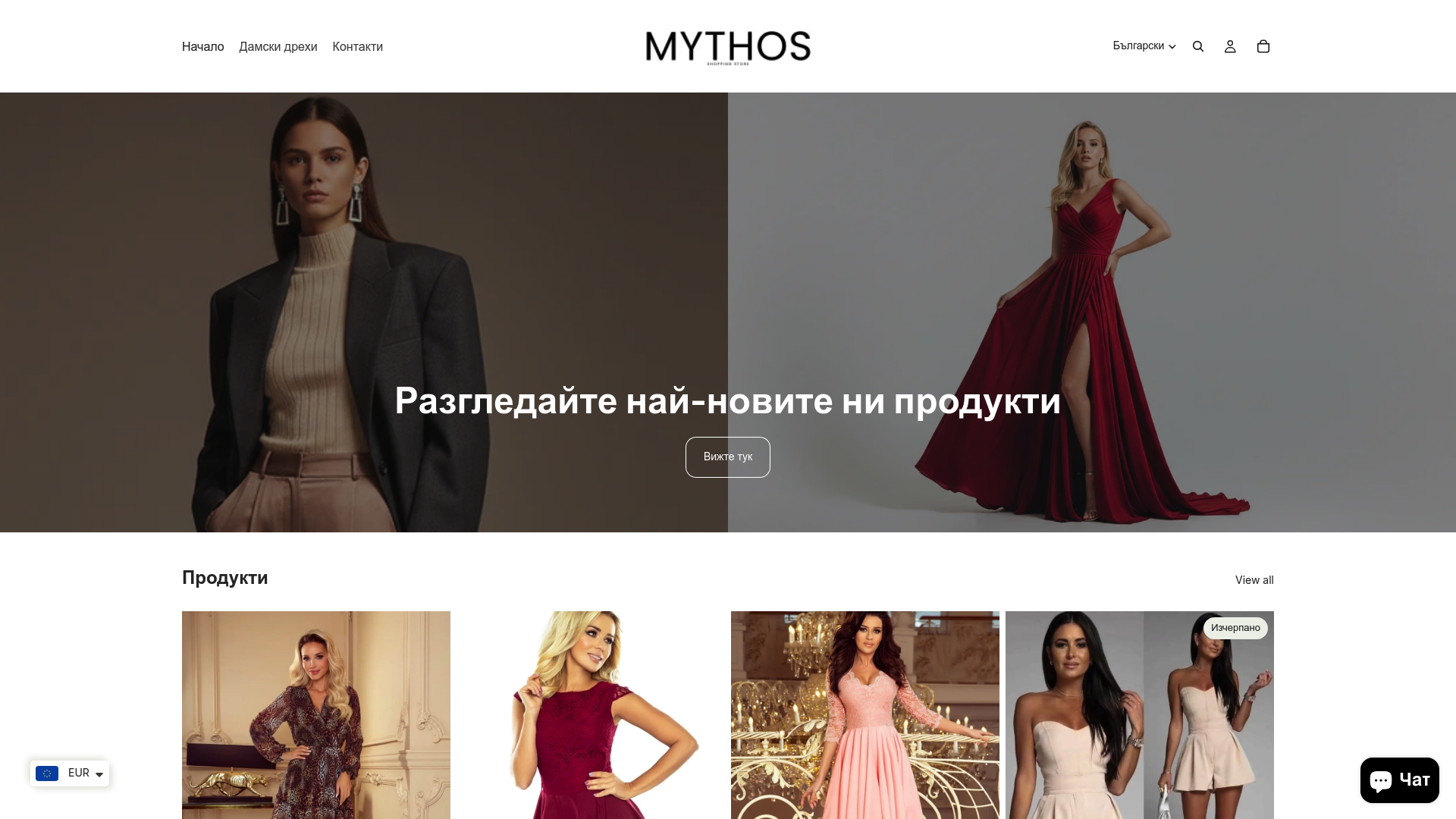
In the collection, you will find dresses, blouses, sets, and accessories suitable for everyday wear and special occasions. Each piece is chosen with attention to detail: from the fabric structure to the finishing of the seams. Mythos is created for women who shop consciously and seek clothes with lasting value. Explore the current fashion trends in women's fashion and find the pieces that will build your wardrobe for years.
Frequently Asked Questions
Why Invest in Quality Clothes Instead of Cheap Ones?
Quality clothes last 7–10 years and reduce the real annual costs of a wardrobe. Cheap items require frequent replacement and generate more textile waste.
How to Recognize a Quality Designer Garment?
Turn the garment inside out and check the seams: they should be dense, straight, and without loose threads. The lining should be sewn, not glued.
Do Designer Clothes Retain Their Value?
Limited collections and well-preserved designer models retain or increase their value over time. They can be resold on platforms like Vestiaire Collective at prices close to the originals.
Why Choose Local Bulgarian Designers?
Local brands offer personalization, size adjustments, and ethical production with short supply chains. You buy a unique garment and support the local economy simultaneously.
How Do Designer Clothes Affect Confidence?
A quality tailored garment made of natural fabrics provides physical comfort and builds a consistent visual identity. The psychological impact is real: dressed well, you act more confidently.
Recommended
- Why Invest in Branded Clothes: A Smart Choice – Mythos Bulgaria
- Why Choose a Bulgarian Designer for Your Style
0 comments