

A fashion collection is often misunderstood as a random assortment of clothes, but it is actually a carefully considered set of items united by a common theme, style, and season. Designers incorporate inspiration, materials, and vision into a comprehensive concept that tells a story. For fashion enthusiasts, understanding this process opens up new horizons to luxury fashion and current trends. In this guide, we will explore what exactly a fashion collection is, how it is created, and what the most important trends for 2026 are.
Contents
- Key Takeaways
- What is a fashion collection
- The process of creating a fashion collection
- Luxury women's fashion collections and trends for 2026
- Differences between haute couture and prêt-à-porter
- Discover your style with Mythos
- Frequently Asked Questions
Key Takeaways
| Point | Details |
|---|---|
| Collection unity | A collection is a carefully considered set of garments, accessories, and other items united by a theme, style, and season. |
| High fashion difference | High fashion represents exclusive, handcrafted production in small quantities, while ready-to-wear is mass-produced for a wider audience. |
| Key elements | Key elements include clothing, accessories, concept, color palette, and materials. |
| Creation process | The creation process involves inspiration, mood board, sketches, fabric selection, pattern making, fittings, tailoring, and presentation. |
What is a fashion collection
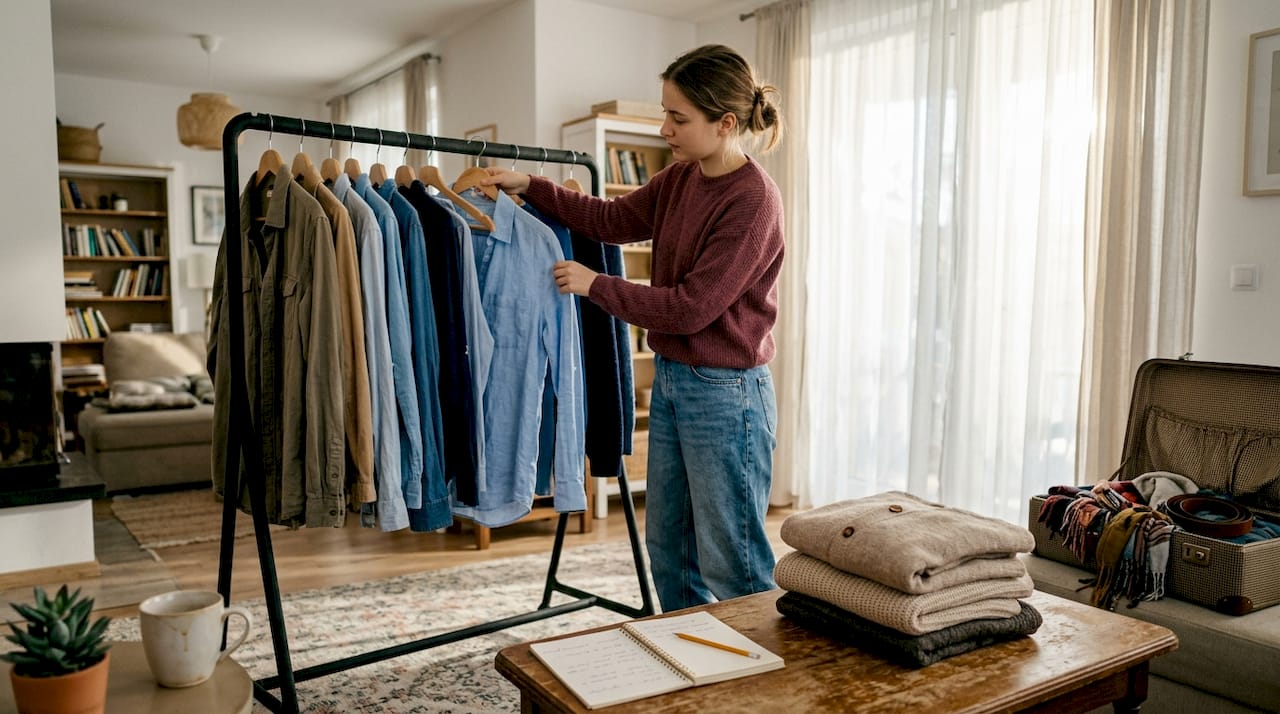
A fashion collection is not just a group of clothes put together. It represents a set of clothes, accessories, and other fashion items united by a common theme, inspiration, or style, created for a specific season. Each collection tells a story through colors, fabrics, and silhouettes. Designers use collections to express a vision and offer a complete wardrobe to clients.
It is important to distinguish a fashion collection from other concepts. A fashion line is a smaller group of items within a collection, united around a specific idea. Individual products are individual items that can exist outside a collection. A collection brings together several lines into a complete vision.
The main classification divides collections into two types. Haute couture represents high fashion with exclusive, handmade items in small quantities. Prêt-à-porter is ready-to-wear, mass-produced and accessible to a wider audience. Both types have their place in the fashion industry.
The main elements of every collection include:
- Clothes: dresses, blouses, pants, jackets, and other garments
- Accessories: bags, shoes, jewelry, scarves
- Concept: a unifying theme or inspiration
- Color palette: harmoniously chosen shades
- Materials: fabrics and textures that support the vision
Seasonality plays a key role in creating collections. Spring-summer and autumn-winter are the main seasons designers work for. Each season brings specific requirements for materials, colors, and silhouettes. The theme of the collection can come from art, nature, history, or contemporary social issues. This theme determines the direction of the entire creative process and makes the collection recognizable. For more style inspiration, check out stylish tips for women.
The process of creating a fashion collection
Creating a fashion collection is a multi-stage process that requires creativity and technical skills. The process includes inspiration, mood board, sketches, fabric selection, pattern making, fittings, tailoring, and presentation. Each stage is critical to the final result.
- Inspiration and concept: The designer seeks ideas from art, nature, architecture, or cultural movements. This phase determines the direction of the entire collection.
- Mood board: A visual collection of images, textures, colors, and materials is created to illustrate the concept. The mood board serves as a reference throughout the process.
- Sketches: The designer draws initial sketches of the items, experimenting with silhouettes and details. Here, the main lines of the collection are formed.
- Material selection: Fabrics that support the vision are chosen. The quality and characteristics of the materials are critical for the luxurious look.
- Pattern making and templates: Technical drawings and templates are created, which will be used for tailoring. This stage requires precision and knowledge of construction.
- Fittings and corrections: Sample models are made and tested on mannequins or models. Necessary corrections are made for a perfect fit.
- Tailoring: The final items are made with attention to detail. Every seam and finishing work must be impeccable.
- Presentation: The collection is presented at a fashion show or through visual campaigns. The presentation is the culmination of the entire creative process.
Professional tip: Designers often experiment with unconventional materials such as recycled fabrics or innovative textures to create unique items. This adds value and recognition to the collection. If you want to follow current trends, read about autumn fashion trends.
Luxury women's fashion collections and trends for 2026
Luxury collections for 2026 offer a variety of styles and concepts. The autumn-winter 2026 collections of leading brands such as Prada, Louis Vuitton, and Ralph Lauren focus on layering, architectural silhouettes, sustainable materials, and folk motifs. These trends reflect contemporary values and aesthetic preferences.
| Brand | Key Features | Target Audience |
|---|---|---|
| Prada | Minimalist lines, innovative materials, avant-garde design | Women seeking contemporary luxury |
| Louis Vuitton | Classic elegance, rich textures, iconic monograms | Connoisseurs of traditional high fashion |
| Ralph Lauren | American elegance, structured silhouettes, neutral tones | Professionals with sophisticated taste |
Current styles for 2026 include several key directions. Layering allows combining different textures and lengths for a voluminous effect. Architectural lines create structured silhouettes with clear forms. Sustainable fabrics respond to growing environmental awareness.
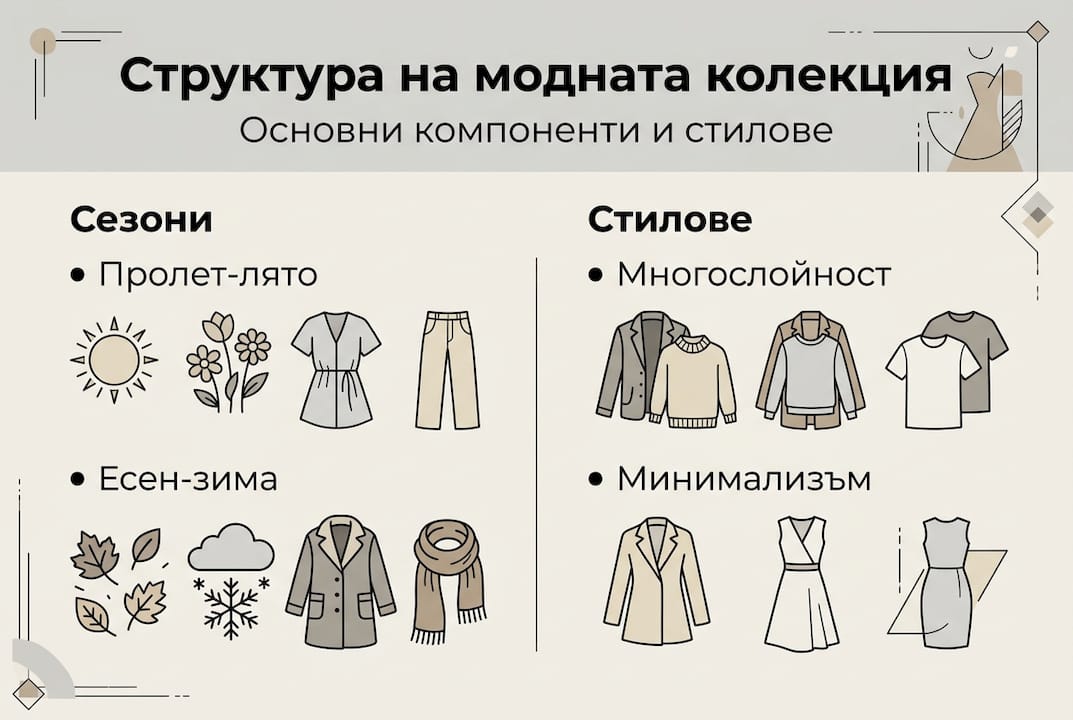
Folk motifs bring a touch of authenticity and cultural identity. Trends for women aged 20-45 in Bulgaria include velvet, boho style, office siren, transparency, and layering. These styles offer variety for different occasions.
Main trends for the 2026 season:
- Velvet items in rich colors
- Boho elements with ethnic details
- Office siren: elegance with a feminine accent
- Transparent fabrics combined with dense materials
- Layered combinations for a dynamic look
Professional tip: To incorporate luxurious elements into your everyday style, start with one accent accessory or item made of high-quality fabric. Combine it with simpler basic clothes for a balanced luxury. This allows you to experiment without overdoing it. Explore fashion trends for ladies for more inspiration.
Differences between haute couture and prêt-à-porter
The two main categories in fashion design have significant differences. Fashion collections are divided into haute couture (high fashion with exclusive, handmade items) and prêt-à-porter (ready-to-wear with serial production). Understanding these differences helps to appreciate the value of different collections.
| Characteristic | Haute couture | Prêt-à-porter |
|---|---|---|
| Production | Handmade, unique pieces | Serial production, standard sizes |
| Price | Extremely high | Medium to high |
| Accessibility | Limited, by order | Widely available in stores |
| Personalization | Full adaptation to the client | Standard sizes, minimal personalization |
| Materials | Most luxurious and rare fabrics | High-quality but accessible materials |
Haute couture represents the pinnacle of fashion design. Items are made entirely by hand by master craftsmen. Each dress or suit is unique and created specifically for a particular client. The process involves numerous fittings and corrections. Prices reach tens and hundreds of thousands of euros. Only a few fashion houses in Paris have the right to bear the title haute couture.
Prêt-à-porter offers luxury fashion to a wider audience. Collections are produced in series with standard sizes. Quality remains high, but the process is optimized for efficiency. Prices range from several hundred to several thousand euros. These collections are available in boutiques and online stores.
Advantages of haute couture:
- Absolute uniqueness and exclusivity
- Perfect cut, adapted to the body
- Highest quality materials and craftsmanship
- Status and prestige
Advantages of prêt-à-porter:
- More affordable price with preserved quality
- Easy availability and quick purchase
- Variety of styles and options
- Suitable for everyday wear
The choice between the two categories depends on your needs, budget, and occasion. For special events, haute couture offers unparalleled elegance. For everyday wear, prêt-à-porter provides style and quality at a reasonable price. Learn more about style tips.
Discover your style with Mythos
Now that we've explored what fashion collections are and how they're created, it's time to put that knowledge into practice. Mythos offers carefully selected women's items that combine luxurious design with current trends. Our collections include elegant blouses, dresses, and accessories, created for the modern woman.
Check out the beige women's blouse with short sleeves and gold application, which adds elegance to any outfit. Or choose the yellow women's blouse with bare shoulders for a fresh summer look. Each item is selected with attention to quality and style, to help you express your individuality through fashion.
Frequently Asked Questions
How do haute couture and prêt-à-porter differ?
Haute couture represents high fashion with handmade, unique items, custom-made for a specific client. Prêt-à-porter is ready-to-wear, produced in series with standard sizes and available in stores. The main difference is in exclusivity, craftsmanship, and price.
Why is the theme of a fashion collection important?
The theme unites all items in the collection around a common vision and message. It determines the choice of colors, materials, silhouettes, and details. A strong theme makes the collection recognizable and memorable, telling a story that resonates with the audience.
What are the most popular trends for women in Bulgaria?
For 2026, leading trends include velvet items, boho style with ethnic elements, office siren for an elegant professional look, transparent fabrics, and layered combinations. These styles offer variety for different occasions and allow for the expression of individuality.
How to use fashion collections for everyday style?
Choose key items from current collections and combine them with basic clothes from your wardrobe. Focus on quality materials and good tailoring. Add an accent accessory that reflects the trends to refresh your look without overdoing it.
How long does it take to create a fashion collection?
The process usually takes from six months to a year, depending on the complexity and type of collection. Haute couture requires more time due to handcrafting and personalization. Prêt-à-porter collections can be completed faster thanks to serial production and optimized processes.
Recommended
- 👗 What will we wear this autumn? Forecast from the fashion capitals of the world – Mythos
- Top 50 best tips for stylish women – Mythos
- Attractive mint green women's dress - 3014 – Mythos
- Attractive multicolored women's set - 10121 – Mythos
0 comments