

In brief:
- Design in fashion transforms clothing into a carrier of meaning, identity, and emotion. Conceptual fashion prioritizes ideas and philosophy over seasonal trends, creating lasting brand identity. Art inspires styles through artistic principles, and conscious color choice influences mood and self-confidence.
The role of design in fashion is to transform clothing from a simple item into a carrier of meaning, identity, and emotion. Design is not just a vision for cut and fabric. It is the language through which a garment speaks about you before you've uttered a word. From Hussein Chalayan, whose constructions explore the body and space, to the color choices that influence your mood in the morning, the impact of design in fashion is deep and multifaceted. This article examines how design shapes fashion at every level: conceptual, artistic, psychological, and economic.
How the Role of Design in Fashion Transforms from Concept
Conceptual fashion places the idea above all else. A garment is not merely a product for sale, but a carrier of meaning and cultural message. Designers like Hussein Chalayan and Rei Kawakubo build collections around philosophical questions: what is a body, what is a boundary, what is identity? The result is clothing that provokes thought, not just a glance.
This "ideas-first" approach overturns expectations for clothing. It becomes a dialogue between the designer and the wearer. Seasonal trends give way to deeper questions of values and expression. Fashion exhibitions and art events from 2026 confirm this direction, showcasing collections where every cut carries a specific thesis.
The distinction between concept and trend is key. A trend is a temporary market response. A concept is a lasting stance. Designers working with an ideas-first approach build brands with longevity and a loyal audience because they offer something that cannot be quickly copied.
- Conceptual design places a philosophical thesis at the core of each collection.
- Hussein Chalayan and Rei Kawakubo are leading examples of ideas-first thinking in global fashion.
- Fashion exhibitions from 2026 affirm fashion as an expression of values and art.
- Concept outlives trend and builds lasting brand identity.
Professional tip: When choosing a garment, ask yourself not just "Do I like it?" but "What does it say about me?" A garment with a concept behind it holds value beyond the season.
Art and Fashion: How Art Inspires Contemporary Design?
Art and fashion share the same impulse: to make the invisible visible. The art+fashion project unites visual art and fashion design, creating a new visual language with over 30 designers participating in the exhibition at "Ivan Asen 22" in 2026. Digital prints and artistic details there are not mere decoration. They are a translation of artistic principles into wearable forms.
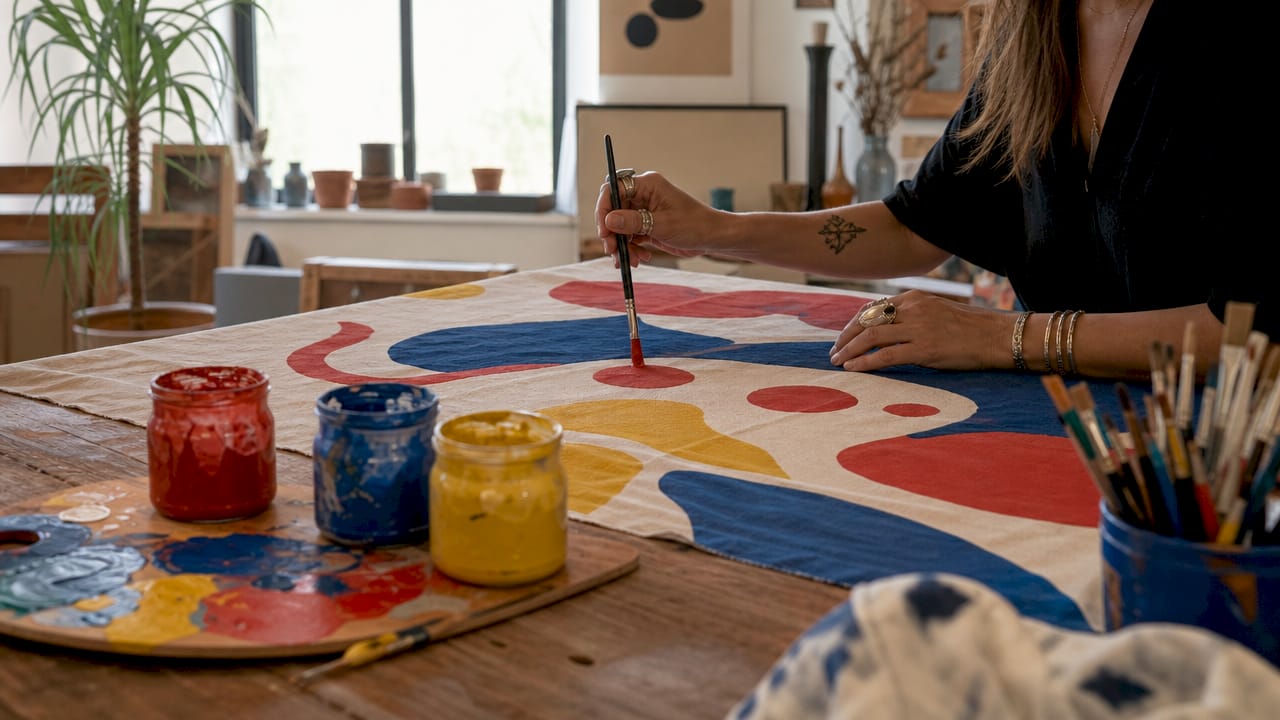
The translation from art to fashion is not a direct copying of motifs. The designer translates principles like rhythm, contrast, and balance to preserve a unique character in the garment. A painting with chaotic lines can inspire an asymmetrical cut, not a literal print. This is the difference between inspiration and imitation.
In the blending of art and fashion, an experimental "third language" is born, offering new possibilities for individuality. It belongs neither entirely to the gallery nor entirely to the runway. This is where the most interesting stylistic decisions occur.
| Artistic Principle | Application in Fashion Design |
|---|---|
| Rhythm | Repeating elements in cut or print |
| Contrast | Combination of dense and transparent fabrics |
| Balance | Symmetry or conscious asymmetry in silhouette |
| Color Harmony | Palette built around a dominant tone |
Professional tip: Next time you visit an exhibition, observe how the artist works with space and line. You'll find the same principles in a well-tailored dress.
How the Role of Colors in Fashion Influences Your Mood?
Color is the fastest communicator in fashion. Bright tones are associated with joy and positivity in the "dopamine dressing" concept, where wearing favorite colors actively improves self-perception. This is not just fashion, but psychology applied to the wardrobe. Choosing a color in the morning is a small decision with a big effect on your day.
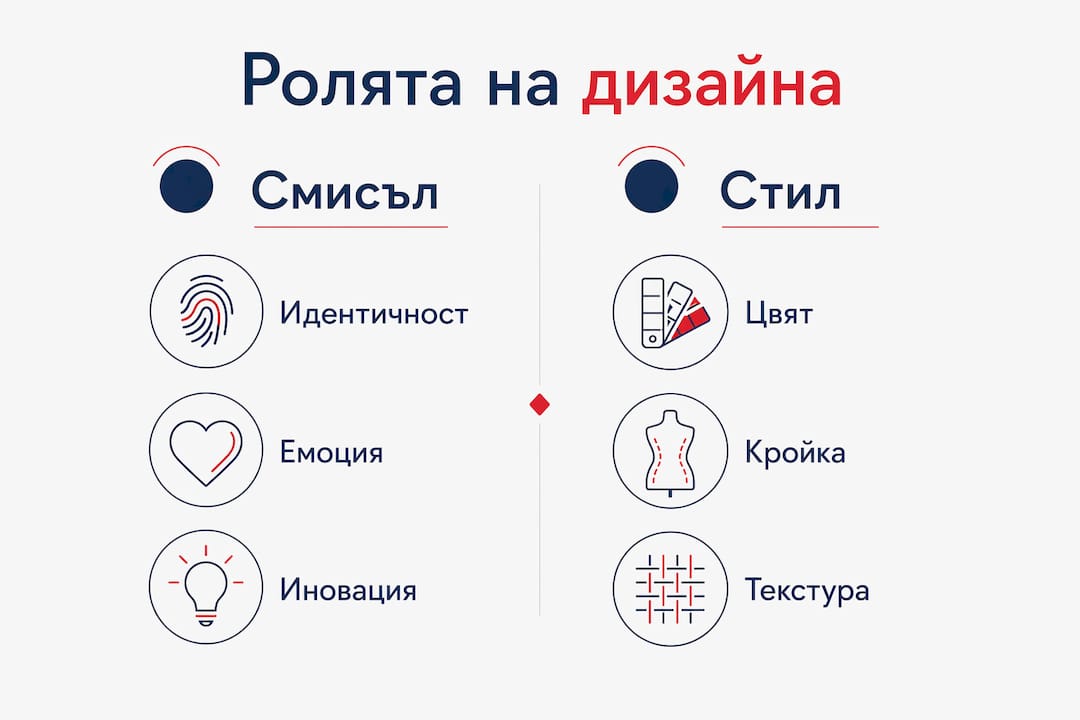
Color codes in fashion have established associations. Yellow brings energy and optimism. Black builds authority and elegance. Blue calms and instills trust. These meanings are not arbitrary; they have been built over decades of visual communication. Color is an element in the emotional communication of every look.
The practical application of this knowledge is simple. Here's how to use color consciously:
- Yellow and orange: Choose them for meetings where you want to radiate energy and warmth.
- Black and navy: Work flawlessly for situations requiring authority and concentration.
- Pastel tones: Suitable for moments when you want to appear approachable and calm.
- Red: Wear it when you want to be noticed and remembered.
- White and cream: Create a sense of clarity and freshness, especially in warmer months.
The balance between silhouette, line, and texture is the foundation of elegant style. Color enhances this composition but does not replace it. The garment where all these elements work together is the one you wear with confidence.
Why the Importance of Design in Fashion is Also an Economic Question?
Design is a business asset, not just an aesthetic solution. 72% of consumers in Europe consider design important when purchasing, with the trend growing especially among young people. This means that brands investing in quality design gain not only loyalty but also a competitive advantage. Design enhances brand recognition and trust.
Fast fashion offers the opposite model: many products, little thought, short lifespan. Design as a critique of fast fashion brings depth and thought back into the industry. A garment created with a concept is worn longer because it is not tied to just one season. This is also a more sustainable choice for you as a consumer.
Here's how design contrasts with fast fashion:
- Fabric quality: Good design requires materials that last.
- Versatility of cut: Conceptual garments are worn beyond the season.
- Emotional value: A garment with history and meaning is not easily discarded.
- Brand identity: Designer brands build recognition that transcends trends.
| Fast Fashion | Designer Fashion |
|---|---|
| Low price, short life | Higher price, long life |
| Follows trends literally | Interprets or rejects trends |
| Mass production | Limited editions or handmade |
| Little emotional value | High personal and aesthetic value |
Investing in quality designer clothes is financially more sensible in the long run. You pay once for a garment you wear for years, instead of repeatedly for items that lose their appearance after a few washes.
How Design Shapes Style Through Education and the Creative Process?
Fashion design is studied as an interdisciplinary discipline. Educational approaches from 2026 integrate critical analysis and methods from art history, psychology, and technology to create designers with a deep understanding of the meaning behind the form. A seven-module curriculum framework, developed in an academic setting, further develops critical thinking in fashion students. The result is a designer capable of translating ideas into wearable forms.
Technologies, including artificial intelligence, are entering the creative process. AI outputs are "drafts" that the designer edits and compares with their style. The machine offers options, but the true value comes from human interpretation. Authenticity cannot be generated automatically.
For you as a fashion enthusiast, the educational approach means the following:
- Study the principles of composition: silhouette, line, texture, and color work together.
- Follow exhibitions and collections not just for trends, but for the ideas behind them.
- Use seasonal trends as a starting point, not as a mandatory recipe.
- Build personal style through conscious choice, not through automatic market following.
Design as education teaches you to look at clothing with different eyes. When you understand why something works visually, you make better choices for yourself.
Key Takeaways
Design in fashion is simultaneously a language, an economic tool, and a psychological force whose influence is felt from the runway to the everyday wardrobe.
| Point | Details |
|---|---|
| Concept is foundation | Designers with an ideas-first approach create clothes with lasting value beyond the season. |
| Art inspires fashion | Translating artistic principles into cuts gives birth to a unique and unrepeatable style. |
| Color influences mood | Conscious color choice through dopamine dressing improves self-perception daily. |
| Design is an economic asset | 72% of European consumers consider design a key purchasing factor. |
| Human factor is irreplaceable | AI supports ideas, but authenticity comes from human editing and interpretation. |
Design as a Personal Language: My Perspective
by Milen
I've spent many hours talking with women looking for "the right" garment. Almost never is the problem in the size or color. The problem is that the garment says nothing about them.
I am convinced that fashion is, above all, a language. Design is the grammar of that language. When you understand how a cut works, why a certain color makes you feel more confident, and what lies behind the choice of fabric, you stop buying clothes and start building style.
I see women at 25 and 45 making the same wrong move: buying by trend, not by feeling. A trend is temporary. The feeling a garment gives you is lasting. The designers we discuss in this article, Hussein Chalayan, Rei Kawakubo, and the dozens of participants in the art+fashion exhibition, all do the same thing: they ask themselves "What does this garment want to say?" before "How does it look?"
My advice is simple. Next time you're shopping, pause for a second and ask yourself: does this garment speak my language? If the answer is yes, buy it. If you hesitate, leave it. A wardrobe built from garments with personal meaning always looks better than a wardrobe full of trends.
The future of fashion is in this direction: less, but more meaningful. And that's good news for every woman who wants to look like herself.
— Milen
Mythos: Design and Style in One Catalog
Mythos gathers women's clothing where design is the leading principle, not an addition. Each collection is selected with attention to cut, fabric, and vision, so you can find a garment that truly speaks for you.
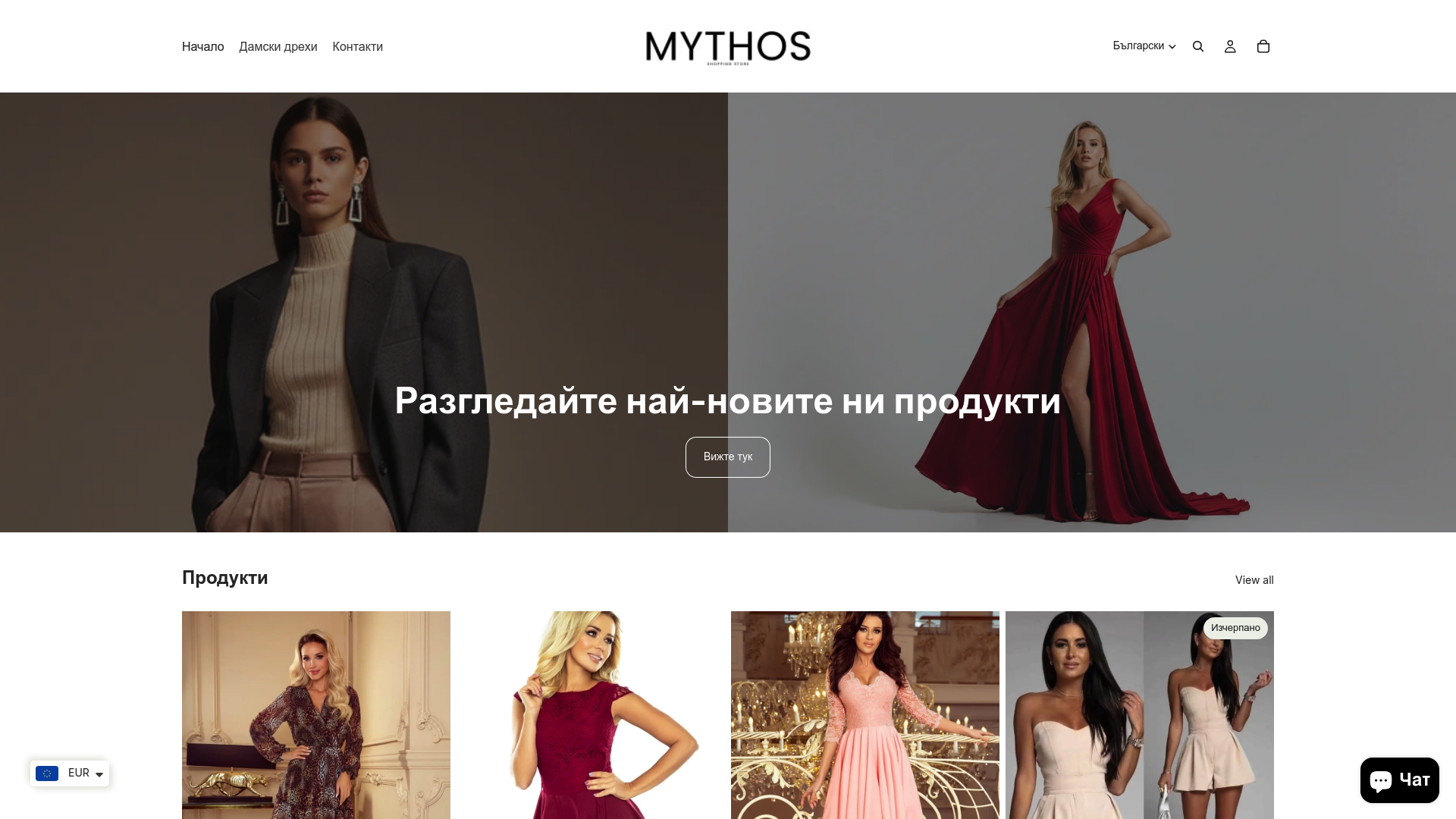
In the Mythos women's clothing catalog, you will find dresses with artistic prints, blouses with accent details, and sets built around a clear stylistic concept. If you are looking for a specific example of design with character, check out the dress with an effective print, which combines visual impact with a emphasized silhouette. Mythos is the place to start your next style choice.
Frequently Asked Questions
What is conceptual fashion?
Conceptual fashion is an approach where the designer places an idea or message at the core of the collection. The garment is a carrier of meaning, not just a visual product.
How does the color of clothes affect mood?
Bright colors are associated with joy and positivity through the dopamine dressing concept. Wearing favorite colors actively improves self-perception and confidence.
Why is design important when buying clothes?
72% of European consumers consider design a key purchasing factor. A garment with good design lasts longer, looks better, and has higher emotional value.
How does art inspire fashion design?
Designers translate artistic principles like rhythm and contrast into cuts and prints. The art+fashion project with over 30 designers from 2026 is a concrete example of this connection.
What is the role of AI in fashion design?
AI generates drafts and variations, but the designer edits and selects the final result. Authenticity and originality come from human interpretation, not from the machine.
1 comment
Why do you think clothing can influence how people perceive someone’s identity?
bbe